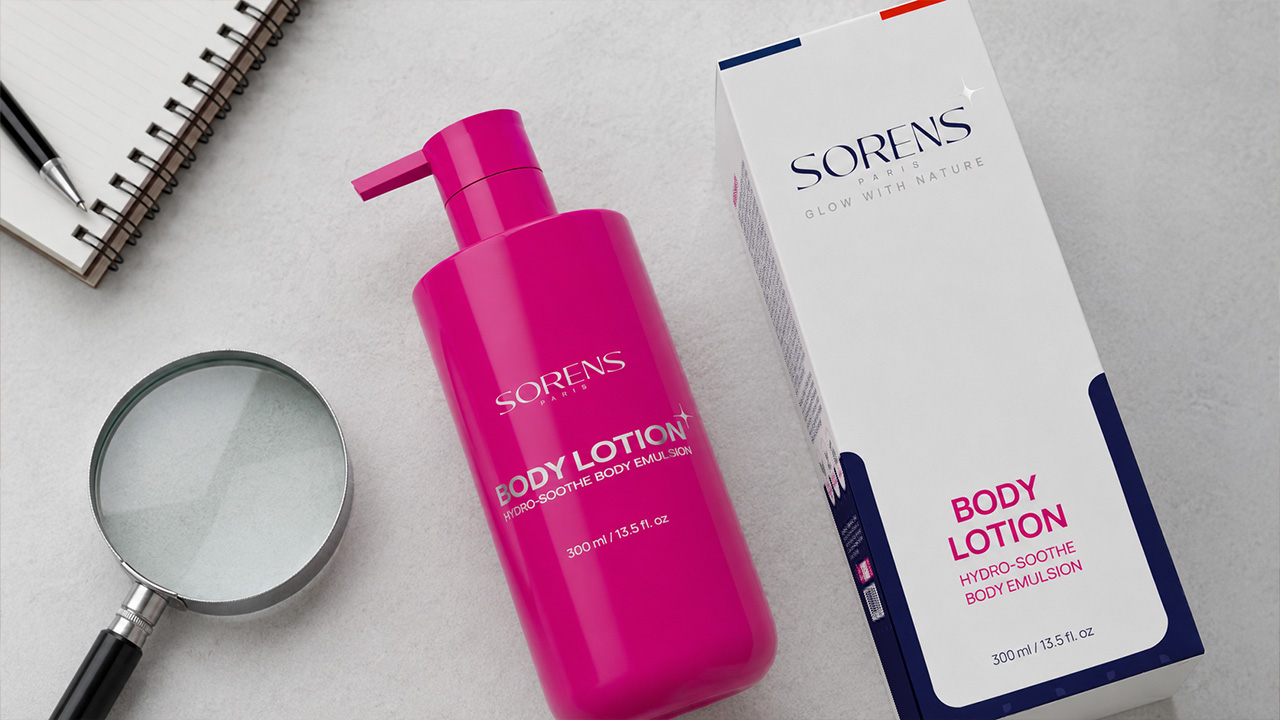
Understanding how to read cosmetics labels is one of the most important skills for making safer skincare choices, yet most people never actually learn it. Instead of checking what is inside a product, consumers often rely on packaging claims like “natural,” “clean,” “organic” or “dermatologist tested,” which do not always reflect the full truth about formulation or safety.
Cosmetic labels contain essential information about ingredients, safety warnings, product lifespan, and certifications. However, terms like INCI lists, PAO symbols, or certification logos can feel confusing if you are not familiar with them. This often leads to misinformation, poor product choices, or even irritation and allergic reactions. Understanding these labels also helps you see the real benefits of organic and vegan skincare compared to conventional cosmetics.
In this guide, you will learn how to decode cosmetic labels step by step, understand what ingredients really mean, and recognize which symbols and claims actually matter for your skin and safety.
Understanding Cosmetic Labels: What Really Matters
Cosmetic labels are not just marketing tools—they are regulated information panels required by law in regions like the UK and EU under cosmetic safety regulations such as EU 1223/2009 and UK cosmetic guidelines. These rules ensure that products are traceable, safe, and properly labeled before reaching consumers.
What information is legally required on labels
Every cosmetic product must include specific information that allows consumers and authorities to understand and trace the product. This includes:
- INCI ingredient list (standardized ingredient naming system)
- Name and address of the responsible manufacturer
- Batch code for product traceability
- Expiry date or PAO (Period After Opening) symbol
- Usage instructions and safety warnings
These elements are essential to understand cosmetics packaging symbols explained, especially for traceability and safety.
How to read the INCI ingredient list
The INCI (International Nomenclature of Cosmetic Ingredients) system is the international standard for naming cosmetic ingredients, making it easier to identify the same ingredients across different countries and brands.
Ingredients are listed in descending order of concentration, meaning:
- The first ingredients make up the largest portion of the formula.
- The last ingredients are usually present in much smaller amounts.
A few basic INCI rules can also help you interpret labels:
- Synthetic or purified ingredients are generally listed using standardized English or scientific names.
- Plant-based ingredients are typically identified by their Latin botanical names.
- Potential allergens, including some essential oil components, may need to be declared separately according to regional regulations.
Common ingredients you may see include:
- Parabens: preservatives that help prevent bacterial growth.
- Sulfates (SLS/SLES): cleansing agents that create foam.
- Fragrance (Parfum): a blend of scent ingredients that may contain allergens.
- Essential oils: naturally derived ingredients that can still irritate sensitive skin.
Understanding these basic rules makes it much easier to follow any INCI ingredient list guide and quickly identify what a cosmetic product is primarily made of.
Common misleading marketing claims
One of the most important things to understand is that marketing terms on the front of packaging are not strictly regulated in the same way as ingredient lists.
This means:
- “Natural” does not guarantee safety or purity
- “Organic” does not always mean 100% organic ingredients
- “Dermatologically tested” does not mean suitable for all skin types
Regulatory bodies like the UK cosmetics authority emphasize that claims must be truthful, but they do not always reflect full formulation quality or skin compatibility.
Cosmetic Symbols Explained: Safety, Usage & Certifications
Cosmetic packaging includes several symbols that provide important information about usage, safety, and ethical standards. Understanding them helps you avoid confusion and make more informed decisions.
1- PAO symbol (Period After Opening)
what is the period after opening symbol on beauty products?
The PAO (Period After Opening) symbol is the small open-jar icon found on cosmetic packaging. It indicates how long a product can be safely used after it has been opened.
This symbol is required for cosmetic products with a shelf life of 30 months or more and It was introduced under European cosmetic regulations to help consumers understand product safety after opening.
The time period is shown in months:
- 🫙 6M = 6 months
- 🫙 12M = 12 months
- 🫙 24M = 24 months
For products with a shelf life of less than 30 months, a specific “best before” date is used instead of PAO.
If PAO is not visible, look for:
- Best Before End (BBE) symbol
- Or a printed expiry date on the packaging
Expired products may lose effectiveness and in some cases can become harmful to the skin, especially natural or organic formulations.
2- Expiry date vs Batch code
Two important elements on cosmetic packaging are often misunderstood by consumers:
Expiry Date: the final date until which a product is guaranteed to be safe and effective to use.
Batch Code: a production identifier used by manufacturers for quality control and traceability.
Although they serve completely different purposes, they are sometimes confused because both appear on packaging and relate to product safety. Batch codes are particularly useful in cases of recalls or quality checks, as they help trace exactly when and where a product was produced.
3- Certification & ethical symbols
Certification logos help verify claims related to organic standards, cruelty-free testing, and product ethics. However, not all logos carry the same level of regulation.
Common certifications include:
- COSMOS: standard for natural and organic cosmetics
- Ecocert: certifies organic and natural ingredient compliance
- Leaping Bunny: verifies cruelty-free production and no animal testing
Terms like “natural” or “organic” have no real meaning without official certification. Verified standards like COSMOS or Ecocert confirm whether a product truly meets organic requirements.
Understanding organic certification logos on beauty products helps you separate genuinely certified products from marketing claims that only use “organic” as a label.
4- Recycling & environmental symbols
Many cosmetic products also include recycling-related symbols such as the recycling triangle or packaging responsibility indicators.
These symbols generally refer to:
- Packaging recyclability
- Waste management systems
- Environmental responsibility programs
However, they are not directly related to product safety or ingredient quality.
How to Quickly Decode Any Cosmetic Product (Practical Guide)
Reading cosmetic labels becomes much easier when you follow a simple step-by-step process.
5-step label reading method
- Start with the INCI list
Check the first five ingredients to understand the product’s main composition.
- Identify active vs filler ingredients
Look for key active ingredients vs supporting bases or preservatives.
- Check PAO or expiry date
Make sure the product is still safe for use after opening.
- Look for certifications
Trust verified logos like COSMOS, Ecocert, or Leaping Bunny.
- Evaluate marketing claims critically
Ignore vague terms like “clean” or “chemical-free” unless supported by ingredients.
Red flags to watch for
Be cautious if you notice:
- Fragrance listed near the top of ingredients
- Claims like “chemical-free” (not scientifically accurate)
- Missing manufacturer or batch information
- “Organic” claims without certification
These are often signs of weak transparency or marketing-driven labeling.
How to Read Cosmetics Labels Clearly
Learning how to read cosmetics labels is essential for making informed skincare choices. Cosmetic packaging contains three main layers of information: ingredients, safety symbols, and marketing claims. When you understand how these elements work together, you can quickly separate effective formulations from misleading marketing.
Instead of relying on branding or front-label promises, focusing on INCI lists, PAO symbols, and certified logos helps you evaluate products based on real data rather than advertising.
In the long term, this knowledge empowers you to choose skincare that truly matches your skin’s needs and reduces the risk of irritation or confusion. These same label-reading skills are essential when buying skincare products online.
At Sorens, every product includes a full, transparent INCI list so you can apply exactly what you learned here.
Products mentioned in this guide: Body lotion.